Why Are Holidays So Expensive Now?
Why Are Holidays So Expensive Now?
If I had a £1 for everytime I've been asked this in the last three months, I'd be booking a cruise for sure!
If you’ve looked at the price of a holiday recently and thought, When did a week in the sun become so expensive?, you’re certainly not alone. Everyone is asking this same question and it's not a simple answer.
The cost of going abroad has undeniably risen noticeably over the past few years. Flights seem more expensive, hotels have increased their prices, and when you add all those extras like luggage, pre-booked seats together, transfers, airport parking, food and drinks, the final figure can look very different to what what we used to get.
But what is actually behind those increases? Let's take a look at the real reasons UK holiday prices keep rising.
It’s easy to blame greedy airlines or hotels, but the reality is much more complicated. The price of every holiday is influenced by a whole chain of costs, and when several of those costs rise at the same time, the effect eventually reaches the traveller.
Here are some of the reasons your next holiday may cost more.
✈️ Airport costs are part of your ticket price
When you buy a flight, you’re not simply paying for a seat on an aircraft. it's way more complicated than that.
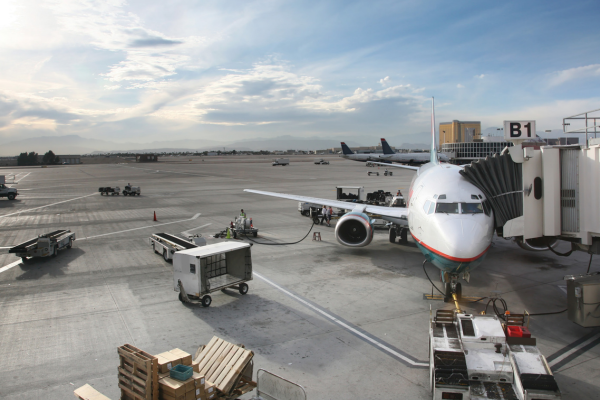
Airlines have to pay airports for using runways, terminals, gates and other facilities and also cover a proportion of the airports costs such as staffing, security, maintenance and infrastructure costs. Airports aren’t immune from inflation, most of these charges levied on airlines have increased, and airlines ultimately have to factor those costs into the price of flights. One big thing you may have noticed is how much more you'll pay for certain flights over others - a midday flight is going to cost more then a late evening or early morning one and this is because airlines essentially pay for slots for each flight departure - prime slots (good flight times) will cost more. This is often how you can eek lower prices for your holiday, by looking at the flights that arrive home at 01:30 in the morning or depart at 05:45, you'll find the cheaper prices.
There are also taxes and government charges attached to flying from the UK, including Air Passenger Duty. These costs don’t necessarily appear as a separate bill to you, but they’re built into the overall price of your flight and they're not going down...So that £250 flight isn’t simply £250 for getting from A to B. There is a surprisingly large ecosystem sitting behind it.
🏨 Hotels have become more expensive to run
We are all seeing our bills increase at home and the hotel industry isn't protected from this - the industry has its own inflation problem.
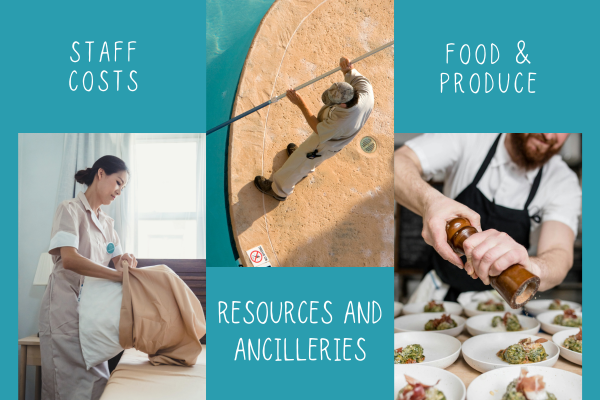
Hotels need staff, electricity, water, food, laundry services, maintenance, cleaning products, supplies and insurances. Just like your household bills, those costs have increased significantly for hotels and accommodation providers.
Staffing is particularly impactful - A hotel can’t simply decide to have fewer cleaners because electricity has become more expensive. Rooms still need cleaning, guests still need checking in and restaurants still need staff. The costs of employing staff are also increasing with updates to minimum wage regulations - all good steps to help support workers but hotels can't just decrease staff numbers to balance out increased staff costs because quality and customer service is negatively impacted - more money needs to be found to cover the costs.
And then there’s the cost of food.
For an all-inclusive resort, this becomes even more significant. The hotel isn’t just providing your room. It may be providing three meals a day, snacks, drinks, entertainment and activities and every aspect of that incurs costs which are increasing as inflation, regulation and expectations change.
When food, staffing costs, and ancilleries rise, the cost of providing your holiday rises too...or quality and standards suffer! it becomes impossible to off the same for less and either prices need to increase or services and what is offered needs to be trimmed. A recent change you might have noticed is housekeeping being stripped back to simple towel refreshes daily, with full room cleans happening only once or twice in a stay. This is a key move to keep staffing and other costs down.
The kicker is as prices increase customer expectations increase - everyone expects to get more if they're paying more when in reality the suppliers and hotels are simply trying to maintain standards or be creative in how they can cut overheads to keep prices down.
👩✈️ There’s a shortage of flight capacity
Here’s one that can be easy to miss. The price of a flight isn’t determined solely by how much it costs an airline to operate the aircraft, those slots I mentioned earlier, they'll be affected by Supply and demand - it matters enormously.
If there are 300 seats on a flight available and 500 people want them, those seats become valuable. The price will go up. So the busier a flight gets, the more expensive the seats become and then if you can be pursuaded the flight is busy, there's the underlying threat that you won't get seated together, so you are encouraged to pay additionally for seats together. These add-ons help to keep base seat prices down whilst offering optional services to bolster their income.
Airlines have also been dealing with constraints around aircraft availability, maintenance costs and delays in delivery of new aircraft. When fewer aircraft are available to operate the number of flights travellers want, capacity becomes tighter. This is particularly noticeable during peak periods such as school holidays. The aircraft hasn’t suddenly become three times more expensive to operate, it's just more people want the available seats, so a premium price can be charged - Demand has changed.
⛽ Fuel still matters, even when oil prices fall
We heard a lot about this one earlier in the year when there was a lot of panic about fuel shortages. Fuel is one of the biggest operating costs for airlines.
When fuel prices rise, airlines face higher costs. But the relationship between fuel prices and ticket prices isn’t quite as straightforward as it might appear.
Airlines often hedge their fuel purchases, meaning they may have bought fuel in advance at an agreed price, which means they can be protected against short term variances, however they have the other major costs we've discussed to consider, so a fall in oil prices rarely means your flight price falls, and if after hedged stocks of fuel are used, if prices are substantially higher, you'll see a hike in prices.
💷 The pound and exchange rates can quietly change your holiday
Exchange rates can have a surprisingly big impact on the cost of travelling. If the pound is weaker against the euro, dollar or another currency, your money simply doesn’t stretch as far abroad.
But there’s another side to this.
UK travel companies buying hotel rooms, transfers and other services overseas are often paying suppliers in foreign currencies (local curencies). Any currency movements can affect the underlying cost of putting a holiday together if the exchange rate changes against the contracted price. What I mean by that is; a holiday which was selling at £500 one day might be selling at £550 the next, simply because the exchange rate means the net price being paid to the hotel by the supplier is now different - the agreed price remains the same but the value of the .
Even if the exchange rate hasn’t moved dramatically, it can still make a noticeable difference to what you spend once you’re abroad - That €10 lunch may not look particularly expensive but buy lunch for seven days, add drinks, taxis, excursions and everything else, and suddenly the exchange rate starts to matter.
👥 Everyone wants to travel at the same time
This is probably one of the biggest reasons holidays become eye-wateringly expensive at certain times.
There are only so many hotel rooms and aircraft seats but demand for those rooms and seats isn’t evenly spread throughout the year.
In August, millions of UK families want to travel.
In February, far fewer people are looking for a week in the Mediterranean.
As we've already discussed basic economics takes over - High demand + limited supply = higher prices.
This is why moving your holiday by just a few days can sometimes save hundreds of pounds, albeit not always possible or easy. Significantly lower prices isn’t typically because the hotel is offering a huge discount, it's simply that fewer people want that particular date.

🧑🍳 Yes, we're still catching up after the C-word
Travel is a people-heavy industry. Pilots, cabin crew, hotel staff, cleaners, chefs, receptionists, transfer drivers, airport workers, tour representatives and maintenance teams all contribute to your holiday and during Covid because people couldn't travel, these staff got laid off or furloughed and it was tough for many - it highlighted the fragility of working in the travel industry.
After the disruption of the pandemic, many parts of the travel industry faced significant recruitment and staffing challenges and these gaps still haven't necesarily been plugged, with many travel and hospitality workers not returning to the sector after realising how fragile it was and looking for new careers - even airline pilots haven't necessarily returned.
📈 So, will holiday prices ever come down?
This is the million-dollar question - The short answer is: some will, some won’t.
Travel prices aren’t on one permanent upward escalator. They move according to demand, availability, competition, exchange rates, operating costs and countless other factors, including World events and in 2026 this aspect has driven markets back to the 'late deal' approach to booking holidays, however, the days when you could routinely wait until the last minute and expect a bargain aren’t necessarily something travellers should rely on continuing.
Sometimes prices fall - Sometimes they don’t - Sometimes booking early will lock in a current price - Sometimes leaving it to the last minute will get results... there is no magic formula these days.
🌴 So, what can you actually do about it?
You can’t control world impacts on economy, fuel charges or availability, airport charges, hotel staffing costs or the exchange rates - but you can control how and when you book.
A few simple strategies can make a significant difference:
Where possible, travel outside peak dates
If you’re able to travel throghout the year, you can often get considerably more for your money. May and October ( historically shoulder seasons) are increasing in popularity, so it's about flexibility in dates.
Compare the whole package
Don’t just compare the headline holiday price. Look at the value included - luggage, transfers, board basis, room type, airport parking and other perks that might be included. Food outlets available, ease of getting out and about, which brands of drinks are included, free wifi...all these aspects can take your holiday from ok to great and a smaller initial outlay can save costly additions later. I don't know how many times Ive heard people say they ended up eating out every night as the AI food offer was boring, or they spent a fotune in taxi fares to get to the local town, or their favourite drink wasn't included so they ended up with a big bar bill and of course, the wifi cost extra and the kids sulked so much that they paid to shut them up.
Consider alternative airports
Sometimes flying from a different UK airport can save money. Regional airports generally tend to be more expensive than London airports mainly because of that magic supply and demand aspect. They are smaller and have less flights, which can be in high demand, pushing prices up. Departing from London might give a lower base price but when you factor in travelling there and potential pre-night stays or parking costs, it can bump things right up - but not always. Especially if you are willing to see this as part of your holiday experience and you have the time, it can be a fantastic upgrade.
Be flexible with dates
Moving your departure by a day or two can sometimes make a surprising difference and of course, if you are looking for a popular holiday destination, cruise or tour avoid the prime times. This might be the school holidays for packages, the height of cherry blossom time in Japan, Christmas and New Year.
Don’t automatically assume DIY is cheaper
Booking flights, hotels and extras separately can work brilliantly for some trips and if you are a confident traveller but these days you never know what is round the corner, so having someone in your back pocket doing all the hard work for you can be invalueable when things do go Pete Tong. A package, whether traditional or bespoke can offer better value, important financial protection and that extra support.
But how, I hear you ask? Well there's lots of potential false economies to be had when booking independantly. The best prices will always be had by booking the less flexible rates and fares and this lures people in more often than I'd care to outline. Excitement on booking, seeing a great price and thinking 'Well I'm going come what may!' often leads to a non-refundable booking which has no flexibility should anything impact the trip. Payment up front is often needed for flights and accommodation to get best rates - that's money which could be earning you interest rather than the supplier. Major suppliers and bed banks (who will remain nameless) will push outand pubicise the best rates to the hotels they want you to book, the ones they have the best contracts with and will be earning the biggest margin from.
So what's different with a package through an agent? We can often get access to special package rates for rooms. These are rates that can only be used in conjunction with another package element
Think about what actually matters to you.
A slightly cheaper hotel isn’t necessarily a bargain if it’s an hour and a half from the airport, miles from the nearest town and is a little worn around the edges, if you are looking for practicality, central locations and a bit of a treat. If food is important to you, choosing that slightly cheaper AI with only a buffet restaurant isn't going to give you what you want to experience, when a small upgrade could offer some a la carte options.
Sometimes spending a little more upfront gives you a much better holiday.

🌞 The bottom line
Yes, holidays have become more expensive but it’s not simply because airlines and hotels have decided to charge more or are being greedy.
Behind the price of your holiday are airport charges, aircraft availability, fuel, staffing, energy, food, exchange rates, hotel operating costs and, perhaps most importantly, demand.
The trick is becoming a little more strategic about where you go, when you go, what you book and what is actually included in the base price.
I've said it before and I'll keep saying it - in today’s travel market, finding a great holiday isn’t necessarily about finding the cheapest price - It’s about finding the best value.